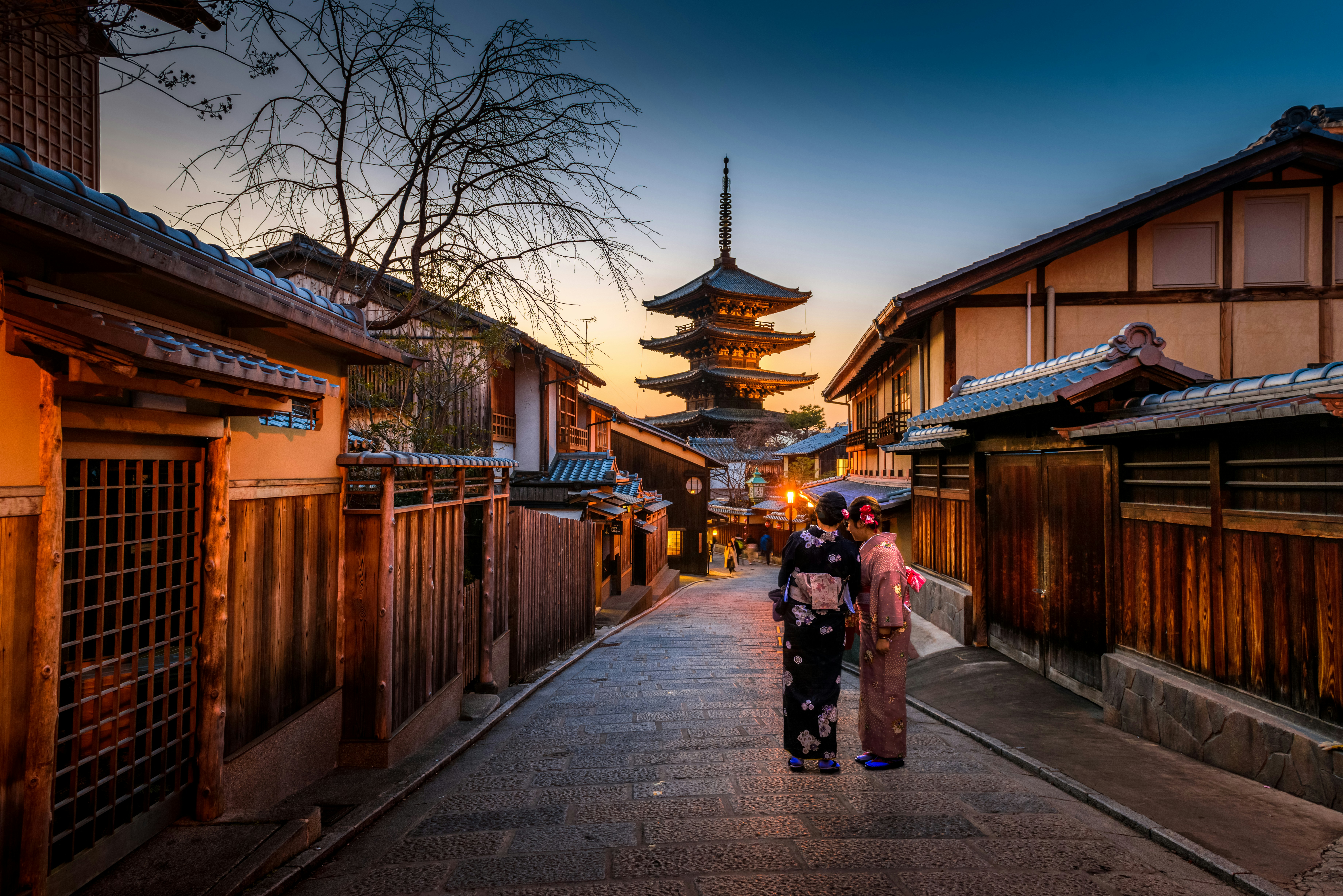
50 Best Places to Visit in Japan: The Ultimate Travel Guide
Japan is an extraordinary synthesis of ancient traditions and cutting-edge modernity. Spanning a vast archipelago from the snowy peak of Hokkaido to the subtropical islands of Okinawa, this captivating nation pairs centuries-old temples, tranquil Zen gardens, and historic imperial castles with neon-lit metropolises, high-speed bullet trains, and ultra-futuristic urban design.
Why Visit Japan
Visiting Japan offers an immersive journey through diverse natural landscapes and centuries of rich cultural heritage. From watching the morning mist rise over Mount Fuji to walking through red torii gate pathways in Kyoto, every region reveals a unique identity. Beyond historical wonders, travelers can soak in volcanic hot springs (onsen), experience world-class dining, hike alpine trails in the Japanese Alps, and witness seasonal marvels like spring cherry blossoms and vibrant autumn foliage.
Here are key highlights why travelers choose Japan:
- Incredible harmony of preserved ancient heritage and futuristic technology.
- World-famous landmarks including Mount Fuji, Fushimi Inari Shrine, and Himeji Castle.
- Renowned culinary scene ranging from Michelin-starred dining to street-side ramen bars.
- Unmatched public transit safety, efficiency, and punctuality via the Shinkansen bullet train.
- Striking seasonal transformations, from spring sakura blooms to winter snow festivals.
Quick Facts About Japan
| Fact Category | Details |
|---|---|
| Official Name | Japan (Nippon / Nihon) |
| Capital City | Tokyo |
| Geographic Region | East Asia (Pacific Ocean) |
| Highest Point | Mount Fuji (3,776 m / 12,389 ft) |
| Primary Islands | Honshu, Hokkaido, Kyushu, Shikoku, Okinawa |
| National Currency | Japanese Yen (JPY) |
| Official Language | Japanese |
| UNESCO World Heritage Sites | 27 Designated Sites |
| National Parks | 34 National Parks (including Fuji-Hakone-Izu and Shiretoko) |
50 Best Places to Visit in Japan
1. Fushimi Inari Shrine
- Location: Kyoto, Kansai
- Best Time to Visit: October to November, March to May
- Category: Historic Shinto Shrine & Hiking Trail
- About the Place: Famous for its path of thousands of vibrant vermilion torii gates winding up Mount Inari, this Shinto shrine is dedicated to Inari, the Shinto god of rice and prosperity. Fox (kitsune) statues line the scenic mountain trails.
- Travel Instructions: Located directly outside JR Inari Station on the JR Nara Line, just a 5-minute train ride from Kyoto Station.
- Explore More: Read our full guide to Fushimi Inari Shrine
2. Mount Fuji (Fujisan)
- Location: Shizuoka & Yamanashi Prefectures
- Best Time to Visit: July to September (Climbing) / November to February (Best Visibility)
- Category: Sacred Volcano & UNESCO Site
- About the Place: An iconic, perfectly symmetrical volcanic cone rising to 3,776 meters, Mount Fuji is Japan's highest peak and ultimate national symbol. It has inspired artists and pilgrims for centuries.
- Travel Instructions: Accessible via Highway Express Buses from Tokyo (Shinjuku) to the Fuji Five Lakes area or Subaru 5th Station.
- Explore More: Read our full guide to Mount Fuji
3. Kinkaku-ji (The Golden Pavilion)
- Location: Kyoto, Kansai
- Best Time to Visit: Year-round (Autumn foliage preferred)
- Category: Zen Buddhist Temple & UNESCO Site
- About the Place: A striking Zen temple whose top two floors are completely covered in gold leaf, overlooking a mirror-like pond. Originally built as a shogun's retirement villa, it is one of Kyoto's most iconic sites.
- Travel Instructions: Reachable via Kyoto City Bus #205 from Kyoto Station directly to the Kinkakuji-michi stop.
- Explore More: Read our full guide to Kinkaku-ji
4. Senso-ji Temple & Asakusa
- Location: Tokyo
- Best Time to Visit: Year-round
- Category: Historic Buddhist Temple & District
- About the Place: Tokyo's oldest and most significant Buddhist temple, founded in 645 CE. Visitors enter through the Kaminarimon (Thunder Gate) with its giant red lantern and walk along Nakamise-dori shopping street.
- Travel Instructions: Located a short 5-minute walk from Asakusa Station on the Tokyo Metro Ginza Line and Toei Asakusa Line.
- Explore More: Read our full guide to Senso-ji Temple
5. Himeji Castle
- Location: Himeji, Hyogo Prefecture
- Best Time to Visit: Late March to Early April (Cherry Blossom)
- Category: Feudal Castle & UNESCO Site
- About the Place: Known as the "White Heron Castle" due to its brilliant white exterior and elegant soaring roofs, Himeji is Japan's largest and most intact surviving feudal castle complex.
- Travel Instructions: A 15-minute straight walk down O大手前-dori street from JR Himeji Shinkansen Station.
- Explore More: Read our full guide to Himeji Castle
6. Todai-ji Temple & Nara Park
- Location: Nara, Kansai
- Best Time to Visit: April to May, October to November
- Category: Ancient Temple & Deer Park (UNESCO)
- About the Place: Todai-ji houses the Daibutsu (Great Buddha), one of the world's largest bronze Buddha statues, inside one of the largest wooden buildings on Earth. Surrounding Nara Park is home to hundreds of friendly, free-roaming sacred deer.
- Travel Instructions: Located a 20-minute walk east from Kintetsu Nara Station or JR Nara Station.
- Explore More: Read our full guide to Todai-ji & Nara Park
7. Hiroshima Peace Memorial Park & Genbaku Dome
- Location: Hiroshima, Chugoku
- Best Time to Visit: April to May, October to November
- Category: Memorial Park & UNESCO World Heritage Site
- About the Place: Dedicated to the victims of the 1945 atomic bomb, this park houses the preserved Genbaku (Atomic Bomb) Dome skeleton structure, the Peace Memorial Museum, and the Flame of Peace.
- Travel Instructions: Take tram line 2 or 6 from JR Hiroshima Station directly to Genbaku-Dome-mae stop.
- Explore More: Read our full guide to Hiroshima Peace Memorial Park
8. Itsukushima Floating Torii Gate (Miyajima)
- Location: Hatsukaichi, Hiroshima Prefecture
- Best Time to Visit: April to May, October to November
- Category: Coastal Shinto Shrine & UNESCO Site
- About the Place: Located on sacred Miyajima Island, Itsukushima Shrine is famous for its massive red torii gate built in the sea, which appears to float on top of the water during high tide.
- Travel Instructions: Take the JR Sanyo Line train from Hiroshima to Miyajimaguchi Station, followed by a 10-minute JR ferry ride.
- Explore More: Read our full guide to Itsukushima Shrine
9. Shibuya Crossing & Scramble
- Location: Tokyo
- Best Time to Visit: Year-round (Evening hours)
- Category: Urban Landmark & Shopping District
- About the Place: The world's busiest pedestrian intersection, where up to 3,000 people cross simultaneously with every light change. Surrounded by giant video screens, neon lights, and high-fashion shopping towers.
- Travel Instructions: Exit via Hachiko Exit at Shibuya Station (accessible via Yamanote Line, Ginza Line, and Fukutoshin Line).
- Explore More: Read our full guide to Shibuya Crossing
10. Arashiyama Bamboo Grove
- Location: Kyoto, Kansai
- Best Time to Visit: Early morning year-round
- Category: Natural Forest & Historic District
- About the Place: A towering green forest of towering bamboo stalks in western Kyoto, where wind rustling through the bamboo stems creates a serene auditory experience alongside historic Togetsukyo Bridge.
- Travel Instructions: Take the JR Sagano/San-in Line from Kyoto Station to Saga-Arashiyama Station (15 minutes walk).
- Explore More: Read our full guide to Arashiyama Bamboo Grove
11. Dotonbori District
- Location: Osaka, Kansai
- Best Time to Visit: Evening year-round
- Category: Entertainment & Street Food District
- About the Place: Osaka's premier entertainment district along the Dotonbori Canal, famous for massive glowing neon signs (including the Glico Running Man), giant moving crab displays, and legendary street food stalls.
- Travel Instructions: A 5-minute walk from Namba Station on the Midosuji Subway Line.
- Explore More: Read our full guide to Dotonbori
12. Shirakawa-go Historic Village
- Location: Gifu Prefecture
- Best Time to Visit: December to February (Snow season) or October to November
- Category: Alpine Heritage Village & UNESCO Site
- About the Place: A mountain village famous for its traditional gassho-zukuri (constructed like hands in prayer) thatched-roof farmhouses engineered to withstand heavy alpine winter snowfalls.
- Travel Instructions: Reachable via highway express bus departing Takayama or Kanazawa stations.
- Explore More: Read our full guide to Shirakawa-go
13. Jigokudani Monkey Park
- Location: Yamanouchi, Nagano Prefecture
- Best Time to Visit: December to March
- Category: Wildlife Sanctuary
- About the Place: Located in the forests of Nagano, this sanctuary is famous for wild Japanese Macaques (snow monkeys) that bathe in natural geothermal hot spring pools during snow months.
- Travel Instructions: Take the Nagano Electric Railway to Yudanaka Station, followed by local bus to Kanbayashi Onsen and a 35-minute forest walk.
- Explore More: Read our full guide to Jigokudani Monkey Park
14. Shinjuku Gyoen National Garden
- Location: Tokyo
- Best Time to Visit: Late March to April (Cherry Blossom) / November (Autumn Foliage)
- Category: Urban Park & Botanical Garden
- About the Place: Spanning 144 acres in central Tokyo, Shinjuku Gyoen blends traditional Japanese landscape gardens with French Formal and English Landscape styles, hosting over 1,000 cherry trees.
- Travel Instructions: Short walk from Shinjuku-gyoenmae Station (Marunouchi Line) or Shinjuku Station.
- Explore More: Read our full guide to Shinjuku Gyoen
15. Hakone Onsen & Lake Ashi
- Location: Kanagawa Prefecture
- Best Time to Visit: October to April
- Category: Hot Spring Resort & Mountain Lake
- About the Place: A premier hot spring resort area offering views of Mount Fuji across Lake Ashi, pirate boat cruises, ropeway rides over volcanic sulfur vents (Owakudani), and traditional ryokan inns.
- Travel Instructions: Take the Odakyu Romancecar train directly from Tokyo's Shinjuku Station to Hakone-Yumoto Station.
- Explore More: Read our full guide to Hakone & Lake Ashi
16. Kiyomizu-dera Temple
- Location: Kyoto, Kansai
- Best Time to Visit: April (Cherry Blossom) / November (Autumn Foliage)
- Category: Historic Buddhist Temple & UNESCO Site
- About the Place: Founded in 778 CE, Kiyomizu-dera is famous for its massive wooden stage built entirely without nails, protruding over a hillside filled with cherry and maple trees overlooking Kyoto.
- Travel Instructions: Take Kyoto City Bus #206 or #100 from Kyoto Station to Gojo-zaka stop, then walk uphill.
- Explore More: Read our full guide to Kiyomizu-dera
17. Kenroku-en Garden
- Location: Kanazawa, Ishikawa Prefecture
- Best Time to Visit: March to May, October to November
- Category: Traditional Landscape Garden
- About the Place: Ranked as one of Japan's "Three Great Gardens," Kenroku-en features winding streams, stone bridges, ancient tea houses, and iconic two-legged stone lanterns (Kotojitoro).
- Travel Instructions: Accessible via the Hokuriku Shinkansen to Kanazawa Station, followed by a short Hokutetsu bus ride.
- Explore More: Read our full guide to Kenroku-en Garden
18. Osaka Castle (Osaka-jo)
- Location: Osaka, Kansai
- Best Time to Visit: Late March to Early April
- Category: Historic Castle & Park
- About the Place: Built by Toyotomi Hideyoshi in 1583, Osaka Castle played a central role in Japan's unification. The five-story main keep is surrounded by stone moats, turrets, and a park filled with cherry trees.
- Travel Instructions: Accessible from Osakajokoen Station on the JR Osaka Loop Line or Tanimachi 4-chome Subway Station.
- Explore More: Read our full guide to Osaka Castle
19. Toshogu Shrine (Nikko)
- Location: Nikko, Tochigi Prefecture
- Best Time to Visit: May to June, October to November
- Category: Sacred Shrine Complex & UNESCO Site
- About the Place: The lavishly decorated final resting place of Shogun Tokugawa Ieyasu, featuring elaborate gold leaf carvings, red lacquer structures, and the famous "Three Wise Monkeys" carving.
- Travel Instructions: Take the Tobu Nikko Line train from Tokyo's Asakusa Station directly to Tobu-Nikko Station.
- Explore More: Read our full guide to Toshogu Shrine
20. Mount Koya (Koyasan)
- Location: Wakayama Prefecture
- Best Time to Visit: April to May, October to November
- Category: Sacred Mountain & Temple Lodging (UNESCO)
- About the Place: The spiritual center of Shingon Buddhism, founded by Kobo Daishi in 816 CE. Visitors can stay overnight in Buddhist temples (shukubo), eat vegetarian monk cuisine (shojin ryori), and explore Okunoin cemetery.
- Travel Instructions: Reachable via Nankai Railway from Osaka's Namba Station to Gokurakubashi, followed by cable car.
- Explore More: Read our full guide to Mount Koya
21. Akihabara Electric Town
- Location: Tokyo
- Best Time to Visit: Year-round
- Category: Tech, Anime & Pop Culture District
- About the Place: The world epicenter of otaku pop culture, gaming, electronic stores, maid cafes, and multi-story manga and anime specialty shops.
- Travel Instructions: Exit directly at Akihabara Station on the JR Yamanote or Chuo-Sobu lines.
- Explore More: Read our full guide to Akihabara
22. Takayama Old Town (Sanmachi Suji)
- Location: Takayama, Gifu Prefecture
- Best Time to Visit: April (Spring Festival) / October (Autumn Festival)
- Category: Preserved Merchant District
- About the Place: A beautifully preserved merchant district in the Hida mountains featuring dark-wood Edo-period buildings, sake breweries, morning craft markets, and Hida beef eateries.
- Travel Instructions: Located a 10-minute walk from JR Takayama Station.
- Explore More: Read our full guide to Takayama Old Town
23. Gion Geisha District
- Location: Kyoto, Kansai
- Best Time to Visit: Early evening year-round
- Category: Historic Geisha District
- About the Place: Kyoto's premier geisha district, filled with preserved wooden machiya townhouses, teahouses (ochaya), high-end restaurants, and stone lantern alleys like Hanami-koji.
- Travel Instructions: Walkable from Keihan Gion-Shijo Station or Kawaramachi Station.
- Explore More: Read our full guide to Gion District
24. Naoshima Art Island
- Location: Kagawa Prefecture, Seto Inland Sea
- Best Time to Visit: April to May, October to November
- Category: Contemporary Art Island
- About the Place: An island transformed into a contemporary art paradise, featuring Tadao Ando-designed museums (Chichu Art Museum), beachside Yayoi Kusama pumpkin sculptures, and converted art houses.
- Travel Instructions: Take a ferry departing Uno Port (Okayama) or Takamatsu Port directly to Miyanoura Port on Naoshima.
- Explore More: Read our full guide to Naoshima
25. Sapporo Odori Park & Clock Tower
- Location: Sapporo, Hokkaido
- Best Time to Visit: February (Sapporo Snow Festival) / July to August
- Category: City Park & Festival Grounds
- About the Place: A 1.5 km long green oasis running through central Sapporo. Hosts the world-famous Sapporo Snow Festival every February, featuring giant, intricate ice and snow sculptures.
- Travel Instructions: Located directly above Odori Subway Station in downtown Sapporo.
- Explore More: Read our full guide to Sapporo Odori Park
26. Meiji Jingu Shrine
- Location: Tokyo
- Best Time to Visit: Year-round
- Category: Imperial Shinto Shrine & Forest
- About the Place: Dedicated to Emperor Meiji and Empress Shoken, this grand Shinto shrine is set inside a peaceful 170-acre evergreen forest in the heart of bustling Tokyo.
- Travel Instructions: Located immediately adjacent to Harajuku Station on the JR Yamanote Line.
- Explore More: Read our full guide to Meiji Jingu Shrine
27. Oirase Mountain Stream
- Location: Aomori Prefecture, Tohoku
- Best Time to Visit: October to November (Autumn Foliage)
- Category: Mountain River Trail & Nature Reserve
- About the Place: A picturesque 14 km mountain stream running through virgin beech forests in Towada-Hachimantai National Park, featuring mossy rock formations, waterfalls, and wooden walking paths.
- Travel Instructions: Accessible via JR Bus departing Hachinohe or Shin-Aomori Shinkansen stations.
- Explore More: Read our full guide to Oirase Stream
28. TeamLab Planets / Borderless
- Location: Tokyo
- Best Time to Visit: Year-round
- Category: Digital Art Museum
- About the Place: An immersive world-famous digital art museum featuring light installations, mirrored infinity rooms, projection-mapped water, and interactive sensory exhibits.
- Travel Instructions: TeamLab Planets is adjacent to Shin-Toyosu Station on the Yurikamome Line.
- Explore More: Read our full guide to TeamLab Tokyo
29. Kamakura Great Buddha (Kotoku-in)
- Location: Kamakura, Kanagawa Prefecture
- Best Time to Visit: April to May, October to November
- Category: Monumental Bronze Statue & Temple
- About the Place: A 13.35-meter bronze statue of Amida Buddha cast in 1252, sitting outdoors surrounded by forest hills after a 15th-century tsunami destroyed its original temple hall.
- Travel Instructions: Take the Enoshima Electric Railway (Enoden) from Kamakura Station to Hase Station (10 minutes walk).
- Explore More: Read our full guide to Kamakura Great Buddha
30. Otaru Canal & Music Box Museum
- Location: Otaru, Hokkaido
- Best Time to Visit: December to February (Snow Lantern Festival)
- Category: Historic Port & Canal District
- About the Place: A romantic historic port town featuring a 1920s brick warehouse canal, glassblowing workshops, music box museums, and fresh seafood dining.
- Travel Instructions: Take the JR Rapid Airport train from Sapporo Station directly to Otaru Station (30 minutes).
- Explore More: Read our full guide to Otaru Canal
31. Beppu Onsen Hells (Jigoku)
- Location: Beppu, Oita Prefecture (Kyushu)
- Best Time to Visit: October to April
- Category: Hot Spring Geothermal Reserve
- About the Place: One of Japan's most famous hot spring resorts, home to seven colorful geothermal "hells" (jigoku) showcasing boiling cobalt-blue waters, red mud baths, and steaming geysers.
- Travel Instructions: Located in Beppu city on Kyushu island; reachable via JR Limited Express trains from Fukuoka/Hakata.
- Explore More: Read our full guide to Beppu Onsen
32. Yakushima Island
- Location: Kagoshima Prefecture (Kyushu)
- Best Time to Visit: May to October
- Category: Subtropical Rainforest & UNESCO Natural Site
- About the Place: A subtropical island known for ancient cedar forests (Jomon Sugi, over 2,000 years old), moss-covered valleys that inspired Studio Ghibli's Princess Mononoke, and hiking trails.
- Travel Instructions: Accessible via high-speed hydrofoil ferry or regional flight departing Kagoshima City.
- Explore More: Read our full guide to Yakushima Island
33. Matsumoto Castle
- Location: Matsumoto, Nagano Prefecture
- Best Time to Visit: April (Cherry Blossom) or October to November
- Category: Feudal Castle
- About the Place: Known as the "Crow Castle" due to its striking black wooden siding, Matsumoto Castle is one of Japan's premier original surviving feudal strongholds, set against the Japanese Alps.
- Travel Instructions: A 15-minute walk from JR Matsumoto Station.
- Explore More: Read our full guide to Matsumoto Castle
34. Ginza Shopping District
- Location: Tokyo
- Best Time to Visit: Year-round (Weekend pedestrian paradise)
- Category: Luxury Shopping & Dining District
- About the Place: Tokyo's upscale shopping quarter filled with flagship designer boutiques, department stores (Ginza Six, Mitsukoshi), art galleries, and Michelin-starred dining.
- Travel Instructions: Accessible via Tokyo Metro Ginza Station or Hibiya Station.
- Explore More: Read our full guide to Ginza
35. Takachiho Gorge
- Location: Miyazaki Prefecture, Kyushu
- Best Time to Visit: April to May, September to November
- Category: Volcanic Basalt Canyon
- About the Place: A narrow volcanic gorge with sheer basalt cliffs formed by lava flows from Mount Aso. Visitors rent rowboats to paddle past cascading Manai Waterfall.
- Travel Instructions: Best accessed by rental car or express bus from Kumamoto or Nobeoka.
- Explore More: Read our full guide to Takachiho Gorge
36. Nijo Castle
- Location: Kyoto, Kansai
- Best Time to Visit: March to May, October to November
- Category: Shogunate Castle & UNESCO Site
- About the Place: Built in 1603 as the Kyoto residence of Tokugawa Ieyasu, featuring elaborate Ninomaru Palace rooms with "nightingale floors" that chirp like birds when walked upon to warn of intruders.
- Travel Instructions: Located directly across from Nijojo-mae Station on the Kyoto Subway Tozai Line.
- Explore More: Read our full guide to Nijo Castle
37. Tsukiji Outer Market
- Location: Tokyo
- Best Time to Visit: Morning hours year-round
- Category: Traditional Seafood & Food Market
- About the Place: A vibrant street market packed with tight alleys where vendors sell fresh sushi, tamagoyaki (Japanese omelets), grilled Wagyu beef skewers, and fresh seafood.
- Travel Instructions: Short walk from Tsukijishijo Station (Oedo Line) or Tsukiji Station (Hibiya Line).
- Explore More: Read our full guide to Tsukiji Outer Market
38. Furano Flower Fields & Biei
- Location: Hokkaido
- Best Time to Visit: July to August (Lavender Season)
- Category: Botanical Farm & Landscape
- About the Place: Famous for rolling rainbow-colored flower fields, particularly purple lavender at Farm Tomita, alongside Biei's mysterious cobalt-blue Shirogane Blue Pond.
- Travel Instructions: Take the JR Furano Line train from Asahikawa to Furano or Nakafurano stations.
- Explore More: Read our full guide to Furano & Biei
39. Matsushima Bay
- Location: Miyagi Prefecture, Tohoku
- Best Time to Visit: April to November
- Category: Scenic Coastal Bay
- About the Place: Celebrated for centuries as one of Japan's "Three Scenic Views," Matsushima Bay contains over 200 small pine-covered islands best viewed via scenic harbor cruise boats.
- Travel Instructions: Take the JR Senseki Line from Sendai Station to Matsushimakaigan Station (30 minutes).
- Explore More: Read our full guide to Matsushima Bay
40. Harajuku & Takeshita Street
- Location: Tokyo
- Best Time to Visit: Year-round (Weekends preferred)
- Category: Youth Fashion & Pop Culture Hub
- About the Place: The center of Japanese youth culture and street fashion, Takeshita Street is filled with quirky clothing shops, crepe stands, animal cafes, and avant-garde fashion boutiques.
- Travel Instructions: Located directly across from JR Harajuku Station Takeshita Exit.
- Explore More: Read our full guide to Harajuku
41. Higashi Chaya Geisha District
- Location: Kanazawa, Ishikawa Prefecture
- Best Time to Visit: Year-round
- Category: Preserved Teahouse District
- About the Place: A beautifully preserved traditional entertainment district featuring two-story wooden teahouses (chaya), gold leaf craft shops, and traditional Japanese sweets shops.
- Travel Instructions: Accessible via Kanazawa Loop Bus from Kanazawa Station to Hashiba-cho stop.
- Explore More: Read our full guide to Higashi Chaya
42. Kumano Kodo Pilgrimage Trails
- Location: Wakayama Prefecture, Kii Peninsula
- Best Time to Visit: March to May, October to November
- Category: Mountain Hiking Trails & UNESCO Site
- About the Place: An ancient network of sacred pilgrimage routes traversing the forested mountains of the Kii Peninsula, leading to the Kumano Sanzan grand shrines and Nachi Falls.
- Travel Instructions: Main gateways include Tanabe or Kii-Katsuura stations accessible via JR Kuroshio Limited Express from Osaka.
- Explore More: Read our full guide to Kumano Kodo
43. Ueno Park & Museums
- Location: Tokyo
- Best Time to Visit: Late March to April (Cherry Blossom)
- Category: Urban Cultural Park
- About the Place: A massive public park housing the Tokyo National Museum, National Museum of Western Art, Ueno Zoo, and Shinobazu Pond covered in lotus flowers.
- Travel Instructions: Direct access via Ueno Station (Yamanote Line, Ginza Line, and Shinkansen lines).
- Explore More: Read our full guide to Ueno Park
44. Ishigaki Island & Yaeyama Islands
- Location: Okinawa Prefecture
- Best Time to Visit: April to October
- Category: Subtropical Beach & Coral Reef Resort
- About the Place: Located in Japan's southernmost island chain, Ishigaki features white sand beaches, clear emerald waters at Kabira Bay, coral diving, and distinct Ryukyu island culture.
- Travel Instructions: Reachable via direct domestic flight to Painushima Ishigaki Airport from Tokyo or Naha.
- Explore More: Read our full guide to Ishigaki Island
45. Roppongi Hills & Mori Art Museum
- Location: Tokyo
- Best Time to Visit: Evening year-round
- Category: Modern Urban Complex & Observatory
- About the Place: A modern mega-complex featuring luxury shopping, the contemporary Mori Art Museum, and Tokyo City View indoor/outdoor rooftop observation decks.
- Travel Instructions: Directly connected to Roppongi Station on the Tokyo Metro Hibiya Line and Toei Oedo Line.
- Explore More: Read our full guide to Roppongi Hills
46. Kurokawa Onsen
- Location: Kumamoto Prefecture, Kyushu
- Best Time to Visit: October to April
- Category: Traditional Hot Spring Village
- About the Place: One of Japan's most atmospheric hot spring towns, preserved with traditional wooden ryokan, dirt lanes, outdoor river baths (rotenburo), and forest surroundings.
- Travel Instructions: Reachable via highway bus from Kumamoto or Fukuoka/Hakata.
- Explore More: Read our full guide to Kurokawa Onsen
47. Chureito Pagoda
- Location: Fujiyoshida, Yamanashi Prefecture
- Best Time to Visit: April (Cherry Blossom) or November (Autumn Foliage)
- Category: Scenic Viewpoint & Pagoda
- About the Place: A five-story red pagoda perched on a mountainside facing Mount Fuji. It provides one of Japan's most famous postcard view compositions framed by cherry blossoms or autumn leaves.
- Travel Instructions: A 20-minute walk from Shimochojida Station or Fujikyu Railway's Yoshiike-mae Station.
- Explore More: Read our full guide to Chureito Pagoda
48. Nikko National Park & Lake Chuzenji
- Location: Tochigi Prefecture
- Best Time to Visit: October to November
- Category: National Park, Lake & Waterfalls
- About the Place: A scenic alpine national park featuring Lake Chuzenji at the foot of Mount Nantai, the 97-meter Kegon Waterfall, hot springs, and mountain hiking trails.
- Travel Instructions: Take a Tobu local bus from Nikko Station up the winding Irohazaka slope road.
- Explore More: Read our full guide to Nikko National Park
49. Uji Tea District & Byodoin Temple
- Location: Uji, Kyoto Prefecture
- Best Time to Visit: Year-round
- Category: Green Tea Capital & Temple (UNESCO)
- About the Place: The historical epicenter of Japanese green tea (matcha). Home to Byodoin Temple's Phoenix Hall (featured on the 10-yen coin) and centuries-old tea shops along the Uji River.
- Travel Instructions: Take the JR Nara Line from Kyoto Station to Uji Station (20 minutes).
- Explore More: Read our full guide to Uji & Byodoin Temple
50. Niseko Ski Resort
- Location: Hokkaido
- Best Time to Visit: December to March
- Category: Alpine Ski Resort
- About the Place: World-renowned ski destination famous for light powder snow, alpine tree skiing, international ski schools, luxury chalets, and thermal onsen baths facing Mount Yotei.
- Travel Instructions: Accessible via shuttle bus directly departing Sapporo's New Chitose Airport (2 hours).
- Explore More: Read our full guide to Niseko Ski Resort
Featured Image
Chureito Pagoda with Cherry Blossoms Facing Mount Fuji